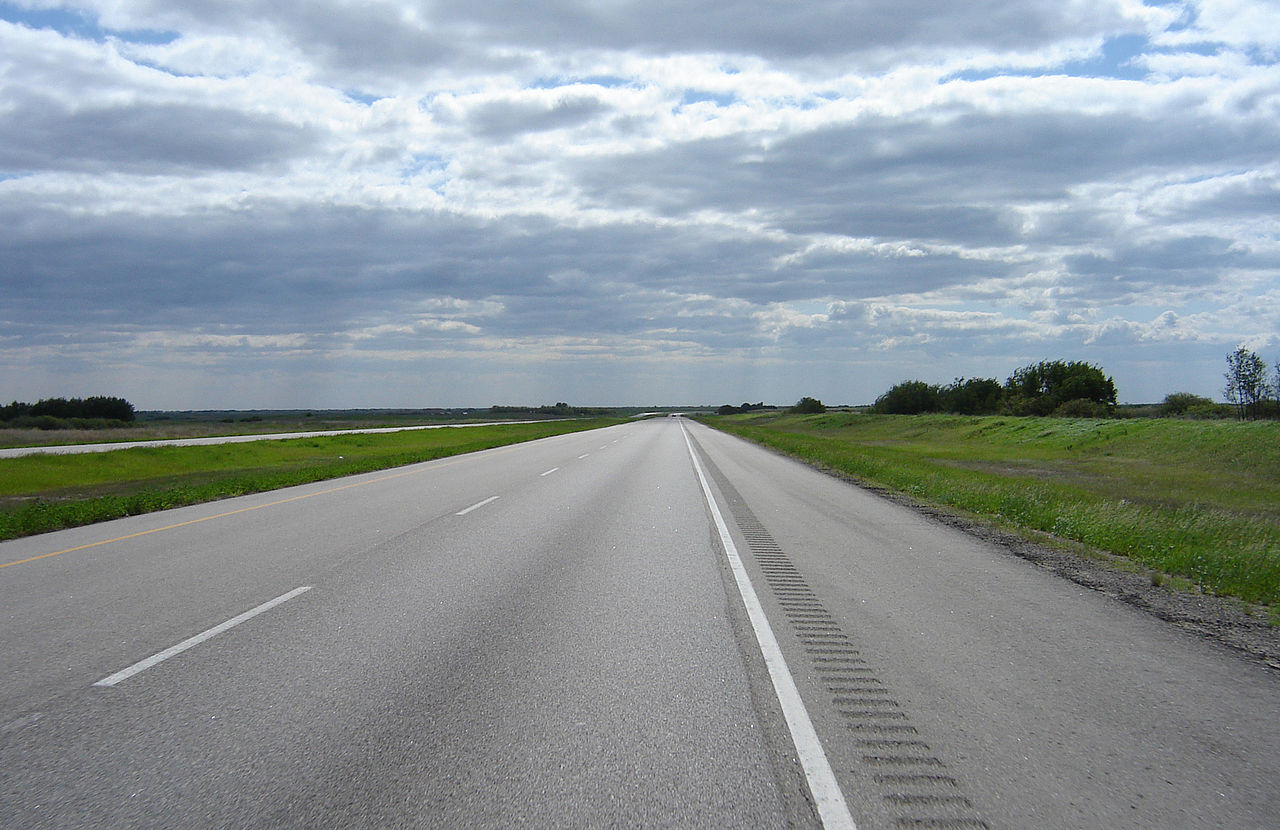
Understanding the Hard Shoulder: More Than Just an Emergency Lane
The hard shoulder is a seemingly simple strip of tarmac running alongside motorways and major dual carriageways. Yet, it plays a profoundly critical role in road safety, serving as a vital escape route and a temporary haven during unexpected emergencies. For many drivers, a
hard shoulder journey is an unplanned and often stressful event. Far from being an extra lane for casual use, it is a designated safety zone with strict rules governing its purpose. Understanding these rules and the inherent dangers associated with its use is paramount for any driver. This guide aims to equip you with the knowledge and practical tips to navigate such a situation safely, ensuring that if you ever find yourself needing to stop, you do so with confidence and caution.
While statistics vary by region, incidents on hard shoulders can be disproportionately severe due to the close proximity of high-speed traffic. Drivers are often caught off guard, dealing with a mechanical failure or medical emergency while vulnerable to passing vehicles. This makes every decision and action taken during a hard shoulder stop crucial for personal safety and the safety of others.
The Purpose and Perils of the Hard Shoulder
In essence, the hard shoulder is designed exclusively for emergency use. This includes vehicle breakdowns, medical emergencies, or when directed by emergency services. It is emphatically *not* for stopping to answer a phone, check directions, rest, or use the restroom. Misuse not only carries hefty penalties but also endangers yourself and legitimate emergency users by reducing the availability of this critical space and creating unexpected obstacles.
The perils are numerous. Vehicles travelling at motorway speeds create significant air turbulence, which can buffet a stationary car or even a person standing nearby. Visibility can be poor, especially at night or in adverse weather conditions, making your vehicle a difficult-to-spot hazard. Furthermore, the hard shoulder itself can accumulate debris, such as shards of metal, glass, or lost cargo, which could pose additional risks when pulling over or exiting your vehicle. A responsible approach to a potential hard shoulder journey begins long before an emergency, with good vehicle maintenance and a clear understanding of the rules.
When a Hard Shoulder Journey Becomes Necessary: Emergency Scenarios
No one plans for a roadside emergency, but being prepared for one is a hallmark of a responsible driver. A
hard shoulder journey should always be a last resort, a necessary deviation from your intended path to address an immediate and unavoidable problem. Recognizing these critical scenarios can help you make a quick and safe decision to pull over.
Common Reasons for an Emergency Stop
*
Mechanical Breakdown: This is arguably the most frequent reason. A sudden flat tire, engine failure, overheating, or a dashboard warning light indicating a serious issue all warrant an immediate and safe stop. Ignoring these can lead to more severe damage or a loss of control.
*
Medical Emergency: If you, a passenger, or another road user experiences a sudden medical issue that impairs driving ability or requires immediate attention, stopping is imperative. This could range from a severe allergic reaction to a sudden illness.
*
Unavoidable Obstruction: While rare, if the main carriageway becomes completely blocked ahead due to an accident or debris, and there is no safe alternative route, a brief hard shoulder stop might be necessary to assess the situation or await emergency services.
*
Driver Distress or Fatigue: If you suddenly feel unwell, experience extreme dizziness, or are so overwhelmed by fatigue that you cannot safely continue driving, pulling over to the hard shoulder (only if a proper rest stop is not immediately available) becomes a critical safety measure. However, if fatigue is the only issue, prioritize finding the nearest service station or designated rest area.
It's crucial to distinguish between a genuine emergency and a mere inconvenience. Forgetting your wallet, needing to make a phone call, or wanting to quickly check a map do not constitute emergencies that justify using the hard shoulder. Using it for non-emergencies not only risks a fine but, more importantly, puts lives in jeopardy.
Navigating the Hard Shoulder Safely: Essential Driver Practices
Once you determine that a hard shoulder stop is unavoidable, a series of precise actions can significantly enhance your safety and the safety of those around you. Every second counts, and a clear, calm approach is vital. This is where your preparedness for a potential
hard shoulder journey truly pays off.
A Step-by-Step Guide to a Safe Emergency Stop
1.
Signal Your Intentions Clearly: As soon as you decide to pull over, activate your left indicator. This signals your intention to move across to the left and slow down, giving other drivers time to react.
2.
Slow Down Gradually and Safely: Do not brake suddenly. Ease off the accelerator and gently apply the brakes, gradually reducing your speed. Look for a clear, obstruction-free section of the hard shoulder.
3.
Pull Over as Far Left as Possible: Aim to position your vehicle as far to the left as you can, ideally with your wheels touching the solid white line on the left-hand edge, or even slightly beyond it if there's a safe verge. The greater the distance between your vehicle and passing traffic, the safer you will be. Angle your wheels slightly to the left, away from the carriageway.
4.
Activate Hazard Warning Lights: Once stopped, immediately switch on your hazard lights. This makes your stationary vehicle highly visible to other drivers, day or night.
5.
Exit Your Vehicle Safely: This is perhaps the most dangerous part of a hard shoulder journey. If safe to do so, exit the vehicle via the passenger side doors to avoid stepping directly into the path of traffic. If you are alone, check your mirrors and blind spot thoroughly before opening your driver's side door.
6.
Move to a Safe Location: Get yourself and any passengers (especially children and pets) out of the vehicle and over any safety barrier, if one exists. Always move upwind from the vehicle if possible, and away from the carriageway. Stand facing oncoming traffic so you can see any potential dangers. Do *not* remain in the vehicle, as it offers little protection against high-speed impacts.
7.
Place a Warning Triangle: If you have one, and it is safe to do so, place a warning triangle at least 45 metres (approximately 147 feet) behind your vehicle on the hard shoulder. This provides an additional visual warning for approaching drivers.
8.
Call for Help: Contact your breakdown service, roadside assistance, or emergency services (e.g., 999/112 in the UK) as soon as you are in a safe location. Clearly state your location (motorway name/number, direction, last junction number, any marker posts).
9.
Rejoining the Carriageway: Once your emergency is resolved, rejoining the flow of traffic requires immense caution. Build up speed on the hard shoulder, signal right, and look for a safe gap in the traffic flow. Do not pull out abruptly. Accelerate smoothly and merge only when it is absolutely safe to do so, ensuring you are at a speed comparable to the main carriageway traffic.
Minimizing Risks: What to Do (and Not Do) on the Hard Shoulder
Understanding the practical steps for a hard shoulder stop is only one piece of the puzzle. Equally important is knowing what actions to avoid and what preventative measures you can take to mitigate the risks associated with this vulnerable position. Your awareness and preparation can significantly impact the outcome of an unexpected
hard shoulder rules encounter.
Critical Dos and Don'ts for Hard Shoulder Safety
**DO:**
*
Carry a High-Visibility Vest: Keep one in your glove box. Wearing it makes you significantly more visible, especially in poor light or weather conditions, dramatically reducing the risk of being hit.
*
Perform Regular Vehicle Maintenance: Many breakdowns are preventable. Regular checks of tires, fluid levels, lights, and brakes can drastically reduce your chances of an emergency stop.
*
Stay Calm and Think Clearly: Panic can lead to poor decisions. Take a deep breath, assess the situation, and follow the safety protocol systematically.
*
Inform Others: If you are traveling with passengers, clearly communicate your actions and instruct them on safe exit procedures.
*
Know Your Location: Familiarize yourself with motorway marker posts or use navigation apps that provide precise location data. This is crucial for emergency services.
**DON'T:**
*
Attempt Major Repairs: Unless it's a very simple fix like tightening a loose battery terminal and you can do it without putting yourself in danger, avoid trying to fix your vehicle on the hard shoulder. Leave it to the professionals.
*
Stand Between Your Vehicle and the Carriageway: Always maintain a safe distance from passing traffic. Your vehicle offers minimal protection if struck.
*
Use Your Phone Casually: Unless it's to call for help, avoid using your phone. Distraction can be deadly in this environment.
*
Walk Along the Hard Shoulder: Avoid walking along the hard shoulder unless absolutely necessary to reach a safe vantage point or an emergency roadside phone. If you must walk, stay behind the barrier and facing traffic.
*
Leave Children or Pets Unattended: Even if they are in a supposedly safe location, the unpredictable nature of roadside emergencies means they should be closely supervised.
The hard shoulder environment is incredibly hostile for pedestrians. The speed and volume of traffic create a constant threat. Your primary goal, after ensuring your vehicle is safely stopped, is to get yourself and your passengers to the safest possible location away from the immediate vicinity of the roadway.
Conclusion
A hard shoulder journey is an experience no driver wishes for, but one that many will encounter at some point. It represents a moment of unexpected vulnerability on an otherwise routine drive. By understanding the true purpose of the hard shoulder, recognizing genuine emergency scenarios, and adhering to strict safety protocols, you can transform a potentially dangerous situation into a manageable one. Preparedness, vigilance, and adherence to the guidelines outlined above are your best allies. Always remember that your life, and the lives of your passengers and other road users, are far more valuable than the inconvenience of a breakdown. Drive defensively, maintain your vehicle, and commit these safety practices to memory – they might just save a life.