Understanding Hard Shoulder Rules: What You Need to Know
The hard shoulder, that often-overlooked strip of asphalt running alongside our motorways and major dual carriageways, is a critical safety feature. Yet, its purpose and the strict rules governing its use are frequently misunderstood, leading to dangerous situations and hefty penalties. For any driver, knowing when and how to properly interact with this lane is paramount, especially when facing an unexpected hard shoulder journey: a driver's guide to safety during an emergency.
Far from being an extra lane for convenience or a brief stopping point, the hard shoulder is a designated emergency zone. Misusing it can put yourself, other road users, and emergency personnel at significant risk. This comprehensive guide will demystify hard shoulder rules, explain their evolution, and provide essential tips for navigating what can be a stressful hard shoulder journey: tips for emergency stops.
What Exactly is a Hard Shoulder? Defining Its Purpose and Place
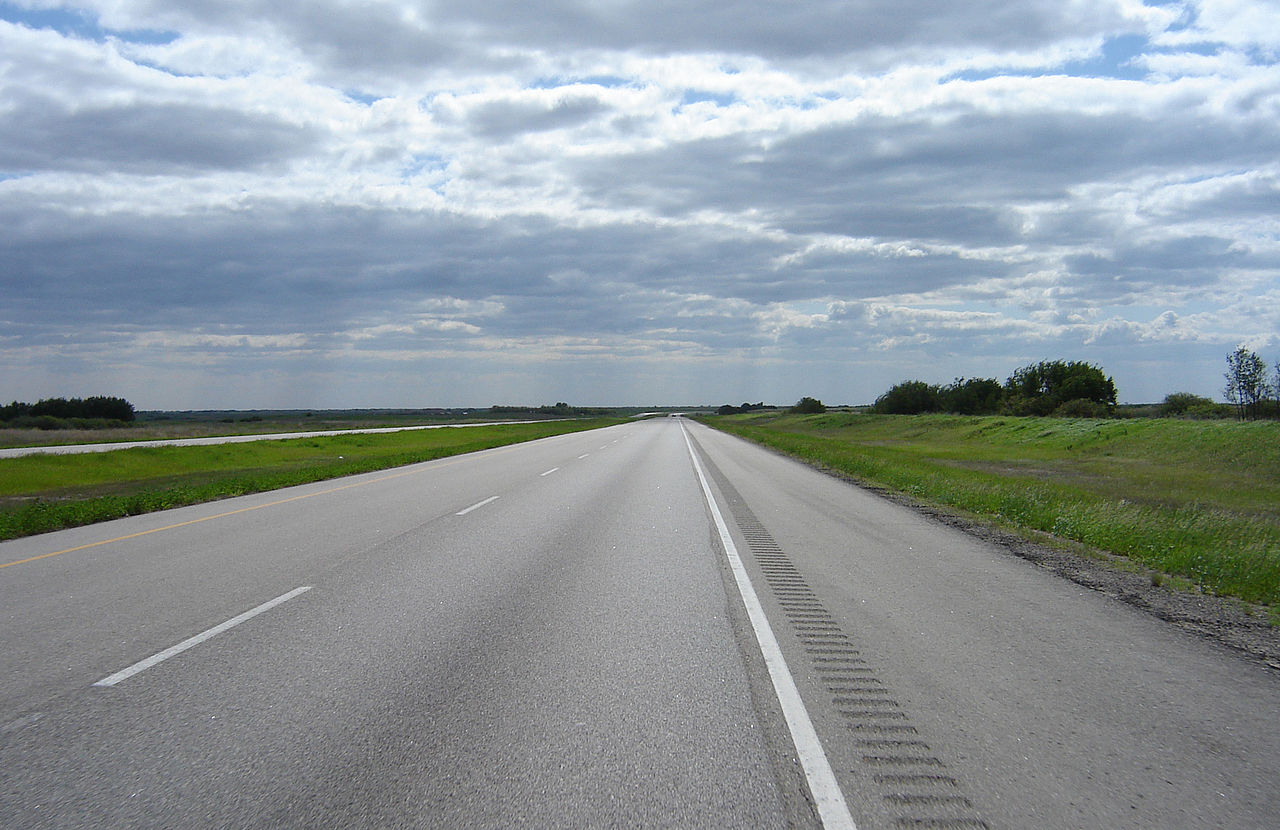
At its core, a hard shoulder is an additional strip of paved road that sits to the left of the main carriageway on motorways and some major A-roads. Typically demarcated by a solid white line, it provides a safe haven away from fast-moving traffic. Its primary, overarching purpose is to act as an emergency lane, a crucial lifeline for several specific scenarios:
- Breakdowns: The most common reason for a hard shoulder stop is a vehicle breakdown, allowing drivers to move out of the path of traffic to wait for assistance.
- Emergencies: This includes medical emergencies within the vehicle, accidents, or instances where a driver genuinely feels it's unsafe to continue driving (e.g., sudden severe weather conditions making visibility zero).
- Emergency Services Access: Police, ambulance, and fire services often use the hard shoulder to bypass traffic congestion when responding to incidents further ahead, ensuring rapid arrival at accident scenes or other emergencies.
- Maintenance and Recovery: Roadside workers and recovery vehicles also utilise the hard shoulder to safely carry out their duties, though they typically employ advanced warning systems.
It's vital to grasp that the hard shoulder is not an extension of the driving lanes. Its existence is solely for these specific, critical situations, making any non-emergency use not just illegal, but exceptionally dangerous.
The Strict Rules of Hard Shoulder Use: When, How, and Why
Understanding the hard shoulder rules isn't merely about avoiding a fine; it's about preserving life. The rules are stringent because the hard shoulder, despite its appearance, is one of the most hazardous places on a motorway due to the proximity of high-speed traffic.
Permitted Uses: When Can You Stop?
You should only ever stop on the hard shoulder in the following, genuine emergencies:
- Vehicle Breakdown: If your vehicle develops a fault that prevents it from continuing safely.
- Medical Emergency: If a passenger or you require immediate medical attention.
- Accident Involvement: If you are involved in or witness an accident that necessitates stopping.
- Police Instruction: If directed to do so by a police officer or other authorised personnel.
- Emergency Avoidance: In rare cases, to avoid an immediate and severe hazard in the main carriageway, though this should be a last resort.
Prohibited Uses: When Can't You Stop?
Almost any other reason for stopping is strictly prohibited and can result in significant penalties, including fines, penalty points, or even prosecution. Common illegal uses include:
- Making or taking a phone call.
- Consulting a map or sat-nav.
- Taking a toilet break.
- Having a rest or a snack.
- Picking up or dropping off passengers.
- Checking your tires or engine unless there is a clear and immediate safety risk to continuing.
The penalties for misuse are severe because these actions unnecessarily expose you and others to danger. Always remember, if it's not a genuine emergency, you must continue to the next exit or service station.
Safe Stopping Procedures on the Hard Shoulder
If you find yourself needing to make an emergency stop, a well-executed hard shoulder journey to safety involves critical steps:
- Signal and Slow Down: Indicate left well in advance and gradually reduce your speed.
- Pull Over Safely: Drive onto the hard shoulder as far to the left as possible, ensuring there's ample space between your vehicle and the live carriageway. Point your wheels slightly to the left.
- Hazard Lights: Switch on your hazard warning lights immediately.
- Exit the Vehicle Safely: If it's safe to do so, exit your vehicle via the left-hand door (passenger side), moving away from traffic.
- Move to a Safe Location: Get yourself and any passengers (especially children and pets) over the safety barrier, if one exists, and move as far away from the carriageway as possible. Stand facing oncoming traffic to maintain awareness.
- Do Not Stand Between Your Vehicle and Traffic: This is incredibly dangerous.
- Call for Help: Contact your breakdown service or the emergency services (e.g., 999 in the UK). Give clear details of your location (junction numbers, distance markers can help).
- Visibility: If you have a reflective warning triangle, place it at least 45 metres (147 feet) behind your vehicle, but only if it's safe to do so without putting yourself at risk. Consider wearing a high-visibility vest if available.
Never attempt to carry out repairs yourself, especially in the dark or adverse weather, unless it's a very simple and safe fix like tightening a fuel cap. Your personal safety is the priority.
Hard Shoulders and Smart Motorways: A Crucial Distinction
The landscape of motorway travel has evolved significantly with the introduction of "Smart Motorways." These advanced road systems have introduced new complexities to hard shoulder rules, making it even more critical for drivers to be aware.
Understanding Smart Motorway Variations
Smart motorways typically fall into two categories:
- Dynamic Hard Shoulder Motorways: On these sections, the hard shoulder can be opened to traffic during busy periods to ease congestion. Overhead gantries will display a speed limit, a white arrow, or a blank sign when it's open. When the hard shoulder is closed to traffic, a red 'X' will be displayed above it, meaning it reverts to its traditional role as an emergency lane, and driving on it is illegal.
- All-Lane Running (ALR) Motorways: These are the most significant change. On ALR sections, the hard shoulder has been permanently converted into a live traffic lane. There is no hard shoulder in the traditional sense. Instead, emergency refuge areas (ERAs) are strategically placed at regular intervals (typically every 1.5 miles or 2.5 km) for drivers experiencing a breakdown or emergency.
The lack of a continuous hard shoulder on ALR motorways has generated considerable debate and concern regarding safety. The principle is that technology (sensors, cameras, variable speed limits) manages traffic flow and detects incidents, but the reality for a driver experiencing a sudden breakdown can be terrifying. It is imperative to know whether you are on a dynamic hard shoulder or an all-lane running section.
Navigating an Emergency on a Smart Motorway
If you break down on a smart motorway:
- All-Lane Running: Try your utmost to reach an emergency refuge area. If you cannot, and your vehicle loses power, put on your hazard lights. If possible, exit the vehicle via the left-hand door and move to a safe place behind the barrier. Contact the emergency services immediately. Highway authorities will be alerted by sensors and cameras and can close the lane with a red 'X' to protect you.
- Dynamic Hard Shoulder: If the hard shoulder is currently a live lane (no red 'X'), treat it as you would any other lane. If it is closed (red 'X'), you can use it for an emergency stop, following the general safe stopping procedures.
The core message for smart motorways is heightened vigilance and proactive planning. Always be aware of the overhead gantry signs and understand that a hard shoulder journey may mean a journey to the next emergency refuge area, rather than a continuous strip of safety.
Navigating a Hard Shoulder Journey Safely: Practical Tips
While ideally, no one wants to embark on a hard shoulder journey, being prepared is your best defense. These practical tips can help minimize risk and ensure a smoother, safer experience should an emergency arise.
- Pre-Journey Checks: Regularly check your fuel, oil, tire pressure, and lights. Many breakdowns are preventable with basic maintenance. A quick check can prevent an unplanned hard shoulder journey.
- Know Your Vehicle: Be familiar with common warning lights and what they mean.
- Carry Essentials: Keep a high-visibility vest, a warning triangle (if legal in your region), a fully charged mobile phone, and a power bank in your vehicle. Basic tools, water, and warm clothing can also be invaluable.
- Stay Calm: In an emergency, panic can impair judgment. Take a deep breath and follow the safe stopping procedures methodically.
- Educate Passengers: Ensure anyone regularly traveling with you, especially children, knows what to do in a breakdown situation – particularly about exiting the vehicle safely.
- Emergency Lane Awareness: Be constantly aware of your surroundings. If you see another vehicle on the hard shoulder, give it extra space and reduce your speed, anticipating potential pedestrian movement.
- Rejoining Traffic: After an emergency stop and repairs/recovery, rejoining the motorway is another critical manoeuvre. Wait for a safe gap in traffic, build up speed on the hard shoulder, use your indicators, and merge carefully, ensuring you don't cut off other drivers. Remember, it's often safer to wait for a significant gap than to force your way into traffic.
For more detailed instructions, consider reading our specific guides: Hard Shoulder Journey: A Driver's Guide to Safety and Navigating the Hard Shoulder: Tips for Emergency Stops.
Conclusion
The hard shoulder, though seemingly simple, is a complex and often dangerous element of our road network. Understanding its specific rules, knowing when and how to use it correctly, and being acutely aware of the distinctions introduced by smart motorways are fundamental aspects of responsible driving. While an unplanned hard shoulder journey is never ideal, being prepared and following safety protocols can turn a potentially catastrophic situation into a managed inconvenience. Always prioritize your safety and the safety of your passengers, and remember that the hard shoulder is a last resort for genuine emergencies, not a convenient stopping point.